

관련 서비스
AX 컨설팅과 HR 컨설팅
HCG 컨설팅은 HR AI 전환을 지원하는 AX 컨설팅과 성과 · 조직 · 문화 체계를 설계하는 HR 컨설팅을 제공합니다.

HR의 복잡한 과제, HCG가 함께 해결합니다
지금 바로 전문가와 상담해 보세요
인사이트
스포티파이는 음악 스트리밍 서비스를 제공하는 기업이다. 무료로 이용 가능한 프리웨어지만, 유료사용자가 아닌 경우에는 소프트웨어 상은 물론 곡과 곡 사이에 광고가 삽입된다. 아쉽게도 국내에서는 아직 서비스를 이용할 수 없으나, 스웨덴 스톡홀름에서 2006년 설립된 이후 전 세계적으로 3,000명에 가까운 직원을 고용한 회사로 빠르게 성장해 왔다.
음악 스트리밍 서비스보다 스포티파이를 더 유명하게 한 것은 ‘Scaling Agile@Spotify’라는 백서로부터 시작된 그들의 독특한 조직구조와 운영방식, 그리고 문화이다. ING를 비롯하여 국내의 대형 은행 일부에서도 차용하고 있는 애자일 조직의 모티브를 제공한 스포티파이의 실험실 속으로 들어가 보자.
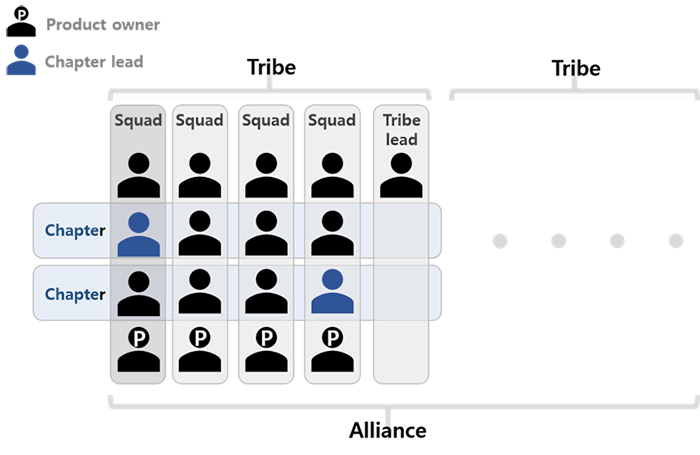
스쿼드(Squad)
스포티파이에는 팀, 본부와 같은 전통적 명칭의 조직이 없다. 새로운 운영방식을 대체할 새로운 용어를 찾은 그들의 조직은 스쿼드(Squad)라 불리는 단위 조직에서 출발한다. 스쿼드는 6~12명으로 구성된 자기 완결적 조직으로 마치 미니 스타트업과 같다.
Product Owner를 비롯하여 UX담당, iOS와 Android개발, Keyboard/Mouse, Backend에 이르기까지 설계부터 개발과 테스트에 필요한 모든 기술과 도구를 갖추도록 조직된다. 일종의 풀 스택(Full-Stack) 조직인 셈이다. 각 스쿼드는 장기 혹은 단기적인 미션이 있으며, 동시에 사용자 경험의 서로 다른 부분에 대해 하나씩 책임을 맡고 있다.
하나의 미션과 서비스의 특정 부분을 오랫동안 맡아 진행하기 때문에, 해당 영역의 전문가 그룹으로 성장한다. 그들은 자신들의 일하는 방식을 스스로 결정할 수 있으며, 독립된 사무 공간과 라운지 등의 작업 공간이 제공된다.
트라이브(Tribe)와 얼라이언스(Alliance)
음악 플레이어, 모바일 서비스, 백엔드 인프라와 같이 연관된 분야의 스쿼드가 모여 트라이브가 조직된다. 스쿼드가 작은 스타트업이라면 트라이브는 일종의 창업 보육 센터처럼 이해할 수 있다. 부족의 리더(Tribe Lead)가 지닌 가장 큰 책임은 스쿼드 팀원들이 성공을 위해 필요한 자원과 자율성을 충분히 지니고 있는지 확인하고 조치하는 것에 있다. 스쿼드에 최상의 서식지를 제공할 책임이 있는 트라이브 리드는 반드시 한 명의 개인일 필요도 없다. 때로는 상품, 엔지니어링, 디자인, 비즈니스 등과 같이 필요에 따라 구성된 그룹이 되기도 한다.
스쿼드가 자율성을 가지고 일하듯, 트라이브 또한 운영에 관한 실험적 자율성을 지닌다. 정확히 똑같은 방식으로 일하는 부족들은 없는 셈이다.
트라이브는 이상적으로 40여명 수준의 규모를 권장하고, 최대 150명이 넘지 않도록 설계된다. 이는 사회적 관계와 소통을 안정적으로 유지할 수 있는 던바의 숫자에서 통용되는 규모를 차용했다.
또한 조직이 커지면 필연적으로 생기는 제약과 규칙, 관료주의와 정치, 불필요한 계층을 통한 낭비를 막기 위한 방안이다. 부족의 규모를 넘어서 속도가 느려지고 마찰이 증가하면, 밀접하게 연결된 임무를 가진 두 개 이상의 트라이브를 지원하는 동맹, 즉 얼라이언스가 형성된다.
챕터(Chapter)
챕터는 같은 트라이브 내에서 비슷한 기술과 유사한 역량 분야에서 일하는 사람들의 모임이다. 각 챕터는 정기적으로 모여 그들의 전문 분야와 구체적인 도전 과제에 대해 논의한다. 이를 통해 지식을 공유하고, 서로의 발전을 돕는다. 흔히 스포티파이에는 관리자가 없다는 일반적인 오해가 있다.
하지만 챕터 리드(Chapter Lead)가 챕터 멤버에 대한 일종의 라인 매니저로서 구성원 개발, 급여 설정 등과 같은 관리자의 책임을 진다.
전통적인 관리자와 차이가 있다면, 챕터 리드는 전문적 관리자에 국한되지 않고, 자신이 속한 스쿼드의 일원으로 업무를 수행할 책임이 있다는 것이다. ‘당신의 매니저가 당신과 똑같은 분야의 일을 하고, 당신의 하루 하루 일상을 완전히 이해하고 있다’는 것은 큰 매력으로 느껴진다.
업무현장의 현실세계를 이해하는 관리자로서의 장점뿐만 아니라, 전문 분야 구성원들이 흔히 느끼는 사일로(silo)와 고립감을 줄이는 효과도 있다.
길드(Guild)
길드는 일종의 오픈 커뮤니티로서 누구나 가입과 탈퇴가 가능하다. 또한 관심에 따라 여러 길드에 가입할 수도 있다. 2012년 도입 시절 길드의 원래 목적은 트라이브 간에 전문성을 융합하기 위한 것이었으나, 이제는 그 이상으로 발전하여 공통 관심사를 지닌 구성원들의 이해 공동체가 되었다.
자바 길드, C++ 길드 또는 안드로이드 길드와 같은 업무 관련 길드가 있을 뿐 아니라, 공예, 양조장, 사진 길드와 같은 취미 관련 길드도 있다.
챕터는 트라이브 내에서 조직되고 운영되지만, 길드는 일반적으로 전체 조직을 가로 지른다. 동일한 범위의 지식과 도구, 코드 및 관행을 공유하고자 한다면 누구나 모일 수 있다.
스포티파이의 애자일 조직은 단순히 명칭과 구조의 차이에서 출발하지 않는다. 말 그대로 민첩하게 움직이기 위해서는 자율성이 전제되어야 하고, 자기 완결적 운영에 합당한 역량을 갖춘 조직이 지향되어야 한다. 스포티파이의 HR 비즈니스 파트너인 요한 셀그렌(Johan Sellgren)은
“우리는 직원들에게 많은 책임과 신뢰를 제공합니다. 여기서 실패하는 것은 문제가 아닙니다. 하지만 우리는 그 실패로부터 배워야 합니다. 동일한 실수를 두 번 반복하면 우리가 충분히 성장하지 못하고 있다는 징후 일 수 있습니다.”라고 설명한다.
여기에서 스포티파이가 강조하는 조직 운영의 두 가지 특징, 실패를 관리하는 방법과 구성원의 성장에 대한 열망을 읽을 수 있다.
실험, 새로운 시도와 실패는 스포티파이 문화의 일부이다. 창업자인 다니엘 에크(Daniel Ek)는 직원들에게 ‘다른 누구보다 빨리 실패’할 것을 강조해 왔다.
빨리 실패하면 빨리 배우게 되고, 빨리 개선할 수 있다는 것이다. 따라서 실패를 회피할 방법을 찾을 것이 아니라, 실패를 경험하고 빠르게 극복할 방법을 찾아야 한다고 말한다. 그들은 문제가 생기면 ‘실패의 벽(Fail Wall)’에 실패 리스트를 포스트잇 한다.
그 기회를 통해 누가 잘못했느냐가 아니라, 무엇을 배웠고 무엇을 바꿀 것인가를 함께 논의하는 자리를 갖는다. 엔지니어링 과정에서도 실패를 관리하고 그로부터 배울 수 있는 장치를 마련하여 운영하고 있다.
일반적으로 서비스의 실패 확률은 초기의 아이디어와 구성이 잘못 되었을 경우에 크게 높아진다. 따라서 아이디어 단계에서 서비스 스토리나 프로토타입을 빨리 만들어 보고, 고객의 반응 테스트를 거치도록 한다. 이 과정을 통해 스포티파이에서 ‘MVP(Most Viable Product)’라 부르는 독자 생존이 가능한 최소한의 상품과 서비스를 실험적으로 빠르게 완성해간다.
또한 전체 서비스와 상품을 한 번에 개발하는 것이 아니라, 부분으로 잘게 나누어 빠르게 개발하고, 운영하고 개선시키는 과정을 선호한다. 몇 가지 부분들이 성공적으로 개발되면 해당 방식의 효율성과 효과성을 확장하며(gradual rollout) 전체를 구성해 간다. 이는 개발의 속도를 빠르게 할 뿐 아니라, 문제가 생겼을 때 해당 부분만 빠르게 개선할 수 있는 장점이 있다.
100% 예측 가능한 것은 혁신이 0%라는 말과 같다. 스포티파이는 예측 가능한 계획을 세우고 이를 관리하는데 중점을 두는 것이 아니라, 새로운 가치를 발견하고 전달하는데 초점을 두고 있는 것으로 보인다. 그들이 자주 인용하는 전설적인 레이싱 드라이버, 마리오 안드레티(Mario Anretti)의 말처럼 ‘만약 당신이 모든 것을 통제하고 있다면, 당신은 너무 늦게 가고 있는 것(If everything is under your control, you’re going too slow!)’일지도 모른다.
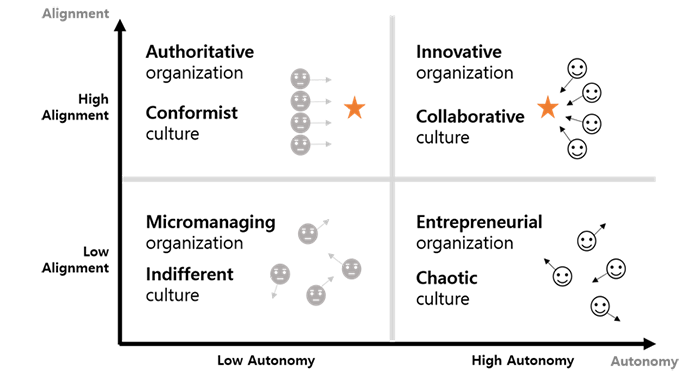
일하는 방식의 자율성과 구성원의 비전 연계
스포티파이는 그들이 서비스를 개발하고 제공하는 방식의 철학처럼, 직원들을 관리할 때도 무겁고 복잡한 방법들(Heavy Tools)을 선호하지 않는 경향이 있다. 대신 실질적이고 진솔한 대화가 HR의 중심이 되길 원하며, 이를 통해 구성원들이 성장할 수 있다고 믿는다.
“이 곳에는 성과 관리 또는 이와 유사한 어떤 것도 없습니다. 대신 서로가 서로에게 성과에 대한 진실을 얘기할 수 있는 1:1 코칭 세션을 지속하도록 권장할 뿐입니다.”
HR 비즈니스 파트너의 표현처럼 스포티파이는 모든 구성원들이 성장 목표를 유지하고, 이를 위해 정기적인 피드백이 필요하다는 점을 강조한다.
피드백의 대부분은 일상의 1:1 세션에서 계속 발생하지만, 일 년에 두 차례 공식적인 성장 대화(Development Talks)를 하도록 장려한다.
이 대화의 주제는 해당 구성원의 미래에 대해 70%, 현재의 상황에 대해 20%, 마지막으로 과거에 대해 10%의 비중으로 진행하도록 한다.
그리고 그 결과를 기반으로 최소 일 년에 한 차례 이상, 회사의 인재 지형(Talent Snapshot)을 그려 보고 급여 검토(Salary Review)를 실시한다.
미래의 성장에 초점을 둔 HR 프랙티스에도 도전은 있다. 지금 이 순간에도 스포티파이는 하루 평균 세 명의 신입 사원을 받아들인다. 또한 전 세계로 확장하며, 서로 다른 지리적 위치에 있고 다양한 문화의 일부인 구성원들이 많아지고 있다.
이러한 환경에서 결과를 얻고, 비즈니스를 성장시키며 동시에 독특한 회사 문화를 유지하는 것이 얼마나 힘들지 상상할 수 있다.
많은 회사들이 격렬한 성장기에 직면하는 도전이지만, 이를 현명하게 극복하는 기업은 그리 많지 않다.
대부분 조직이 기하 급수적인 속도로 성장하며 관료주의를 증가시키고, 처음 그들을 성공적으로 만들었던 독특한 장점을 무너뜨리면서 혼란에 맞서려고 시도한다. 그 결과 구성원들은 새로운 것에 영감을 받지 못하고, 정서적으로 몰입하지 못한 채 단절된다.
“우리의 일하는 방식은 독특하지만 확실히 완벽하지는 않습니다. 우리는 실수를 하며, 모든 질문에 답을 가지고 있지 않다는 것을 깨닫습니다.
또한 너무 빨리 성장함에 따라 새로운 도전이 매일 발생합니다. 가장 큰 과제는 혁신, 민첩성과 같은 고유한 문화를 활용하고, 이에 적합한 인재들을 유지하는 것입니다. 우리는 이제 어린 유아기를 지나 십대로 자라나는 중입니다.”
스포티파이의 최고 인사 책임자인 카타리나 버그(Katarina Berg)의 설명처럼 그들은 도전적 환경에 대해 잘 인식하고 있으며, 지속 가능한 성공을 위한 방법에 집중하고 있다.
스포티파이는 기술보다 문화를 더 소중하게 생각한다. 기술은 개발할 수 있다고 믿지만, 문화적 적합성은 그렇게 쉽지 않다고 여긴다.
이를 확실히 하기 위해, 모든 모집과정은 특별하고 집중적 인 문화 면접을 통해 시작한다. 내부 리크루터만을 활용하며,
후보자의 문화적 가치와 회사 사이에 적합성이 있는지 확인한다.
문화 면접을 채용 프로세스의 가장 첫 단계로 변경한 결정은 사실 오래되지 않았다.
고도로 숙련되거나 전문성 높은 후보자를 자신들의 문화에 부적합한 이유로 마지막에 탈락시키는 것이 처음에는 매우 어려웠다.
하지만 경험을 통해 그들은 문화가 예상보다 중요한 측면임을 알게 되었고, 따라서 문화를 첫 번째 인터뷰의 관문에 옮기기로 결정하였다.
소규모 창업 기업의 경우, 모든 직원들을 회사의 방향에 맞추기가 상대적으로 쉽다. 창업자와의 일상적인 상호 작용, 회사의 방향에 대한 공동 토론, 또는 모든 사람이 전체 운영에 대한 자신들의 개인적인 기여를 분명히 볼 수 있다는 사실이 비전을 지탱해 준다. 하지만 조직이 성장하기 시작하면 비전과 미션에 대한 구성원의 정렬이 사라지는 경우가 많다. 그 결과 직원들은 어디로 가고 있는지 파악하지 못하거나, 중요한 것을 눈치 채지 못한다.
마치 골을 넣어야 할 곳을 모른 채 축구를 하는 것과 같다. 스포티파이 또한 급속한 성장과 함께 전 세계에 새로운 지사가 생겨나면서, 구성원들이 회사의 사명감을 느끼기가 더 어려워졌다. 그렇기 때문에 이전보다 더 적극적으로 회사의 비전과 목적을 전달하기 시작했다. 엄청난 자율권을 지닌 그들의 팀, 즉 스쿼드를 허용할 수 있는 특권은 이러한 구성원들이 지닌 높은 목적의식이 전제되었다는 설명과 함께 말이다.
스포티파이의 주요 비전과 목표는 공동 창립자 다니엘 에크를 중심으로 리더십에 의해 정기적으로 업데이트된다.
중요한 변경 사항은 내부 인트라넷을 통해 공유되며 모든 직원은 토론, 논평 또는 반응을 하도록 요구 받는다. 필요하다면 리더들은 원래의 계획을 수정하는 것을 주저하지 않는다. 다니엘 에크는 3주마다 타운 홀 미팅을 통해 모든 직원들과 최신 개발 상황을 공유한다. 여기에는 재정, 조직 변경, 경쟁 업체 업데이트 등 다양한 주제가 있다.
타운 홀 미팅과 같은 대규모 참여는 적절한 기술 없이는 효과가 제한적이다. 모든 사람들이 스포티파이 가족의 일원으로 참여하고 있다는 것을 확인하기 위해, 회의는 전 세계에 동시에 방송된다. 방송에 참여하여 질문, 요구사항, 의견 또는 우려 사항을 전달하고 공유할 수 있다.
또한 시차로 인해 참여할 수 없는 사무실을 위해서 타운 홀 미팅은 모두 녹화된다.
기술의 힘을 활용하여 구성원들이 문화에 동참하고 이를 강화하는 방식은 여러 성공적인 조직에서 이전부터 보았던 것이다. 구글 창립자 래리 페이지(Larry Page)와 세르게이 브린(Sergey Brin)은 6만 명 이상의 직원과 함께 주간 올-핸드 미팅(weekly all-hands meeting)에서 가장 중요한 문제에 대해 논의한다. 직원들은 그 시간에 직접 질문을 할 수 있다.
해외의 유명 기업뿐만 아니라 최근에는 국내에서도 IT기업을 중심으로 직원들과 대화하기 위해 정기적으로 블로그 게시물을 올리고, 영상을 통해 원격지와 연결하는 일이 흔해 졌다. 이와 같은 수평적이고, 나아가 상향식으로 소통되는 기회를 통해 문화는 일상 속에서 강화된다.
스티븐 번게이(Stephen Bungay)는 ‘Art of Action’에서 일하는 방식의 자율성(Autonomy)과 구성원의 비전 연계(Alignment) 수준에 따라 조직 운영과 문화적 특성이 어떻게 바뀔 수 있는지 소개한 바 있다. 구성원들이 비전과 전략을 이해하지 못하는데 자율성마저 없다면, 사소한 일까지 관리하며 에너지를 쏟지만 정작 문화에 무관심한 전통적 조직의 단점이 나타난다. 문화 경영의 중요성을 인식한 기업들은 비전과 사명을 강조하거나, 구성원의 자율성을 강화하는 방식 등으로 조직을 변화시키고자 한다.
하지만 한 측면만 부각되면 빠르게 움직이나 권위적인 조직이 되거나, 창업적 마인드로 무장하였으나 원칙 없는 혼란스러움을 감수해야 하는 경우도 많다. 스포티파이는 색다른 조직의 구성과 운영방식, 그리고 이를 지탱해주는 문화적 가치를 통해 혁신적이고 자율적인 협력 조직을 지향하고 있다.
"우리가 하고 있는 것들은 현재의 일하는 방식에 대한 일종의 스냅 사진입니다. 이 긴 여행은 아직 끝나지 않았고, 진행 중입니다.” 그들의 말처럼 완성은 멀었지만, 많은 사람들에게 새로운 방식으로 꿈을 실현할 길을 보여주고 있는 것만으로도 그 가치는 크다.
도전이 함께 할 앞으로의 긴 여정을 응원해본다.